Aerospace and Defence Bearings FAQs
What bearings are used in aerospace applications?
Aerospace applications utilise a wide range of bearing technologies depending on the operating environment and performance requirements. Common examples include thin section bearings, miniature instrument bearings, spherical bearings and cylindrical roller bearings. These bearings are used in applications such as aircraft control systems, radar equipment, satellite mechanisms, actuators, avionics, UAVs and aerospace manufacturing equipment. Precision, reliability and weight reduction are often key selection criteria.
Why are thin section bearings used in satellites?
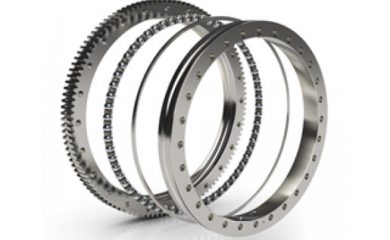
Thin section bearings are widely used in satellite and space applications because they provide high precision while minimising weight and space requirements. Their lightweight design allows engineers to reduce system mass without compromising performance, making them ideal for antenna positioning systems, optical equipment and other satellite mechanisms where weight is critical. They also offer excellent rotational accuracy and smooth motion in confined spaces.
What materials are aerospace bearings manufactured from?
Aerospace bearings are commonly manufactured from high-performance materials including stainless steel, chrome steel and specialist aerospace-grade alloys. Depending on the application, bearings may also incorporate ceramic rolling elements, corrosion-resistant coatings or specialised lubricants designed to perform in extreme temperatures, high-vacuum environments or demanding operational conditions. Material selection depends on factors such as load, temperature, weight constraints and environmental exposure.
Do aerospace bearings require certification?
Many aerospace and defence applications require components to meet stringent quality and traceability requirements. Depending on the application, bearings may need to comply with recognised aerospace standards and certifications, while manufacturers often operate under quality management systems such as AS9100.
How do you select bearings for defence applications?
Selecting bearings for defence applications involves evaluating several factors, including load capacity, operating environment, accuracy requirements, service life and reliability. Defence systems often operate in harsh conditions involving vibration, extreme temperatures and continuous operation. Engineers must also consider factors such as corrosion resistance, maintenance requirements, weight limitations and compliance with military or project-specific specifications to ensure long-term performance in mission-critical applications.